
B-Splint
A B-Splint — an anterior midpoint contact splint (muscle deprogrammer) for quick harmonisation of muscular disorders. It reduces temporalis, masseter and lateral pterygoid parafunctional activity, disengaging the posteriors during clenching. Often prescribed for TMJ.
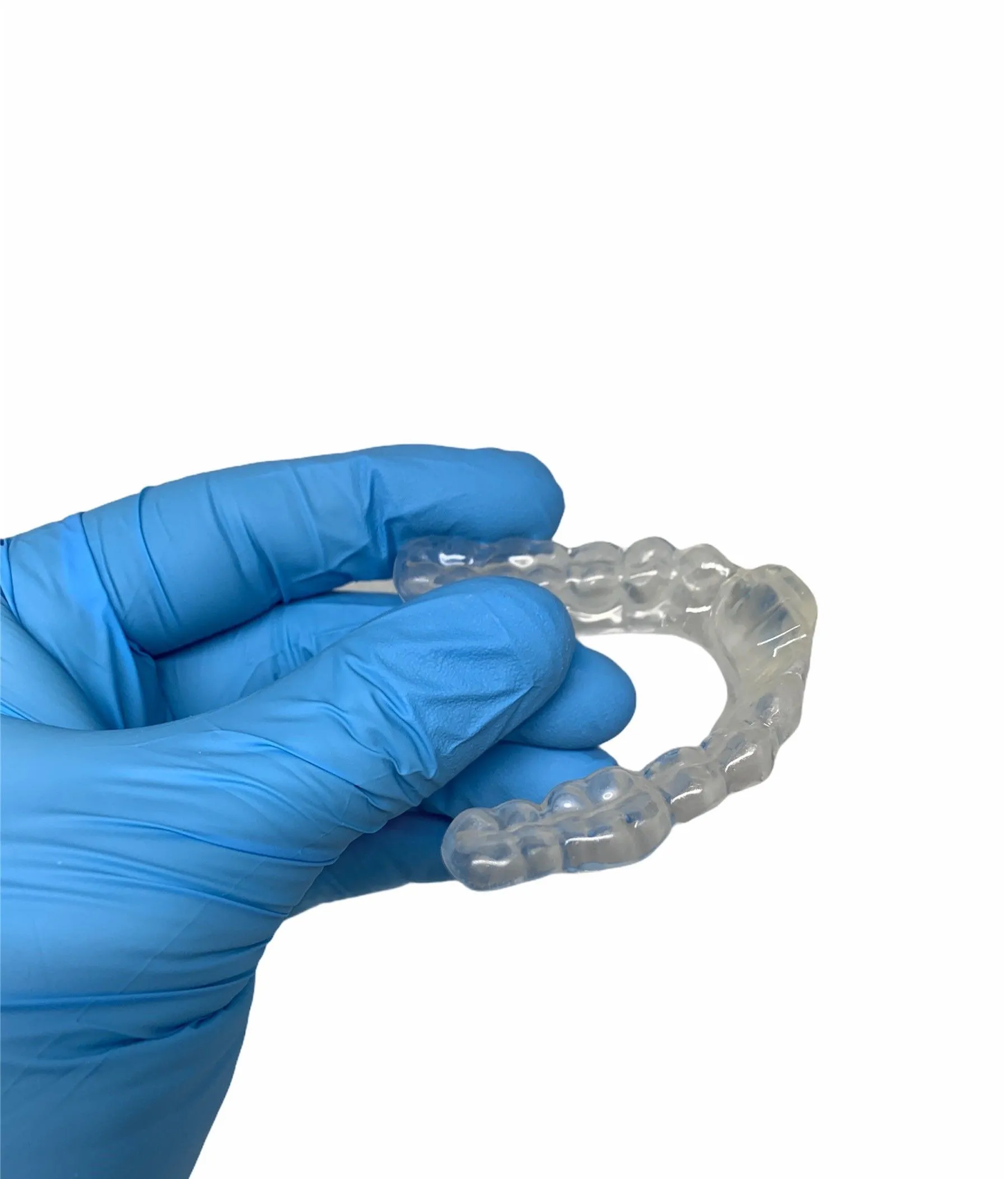
A muscle deprogrammer
An anterior midpoint contact splint that disengages the posterior teeth to calm parafunctional muscle activity.
AMPS
anterior midpoint contact
Contact at the front disengages the posteriors during clenching, harmonising muscular disorders quickly.
1+1mm
dual laminate
A 1mm soft inner bonded to a 1mm hard outer for comfort and control.
Why choose the b-splint
Muscle deprogrammer
Anterior midpoint contact for quick harmonisation of muscular disorders.
Reduces parafunction
Calms temporalis, masseter and lateral pterygoid activity.
Disengages posteriors
Separates the back teeth during clenching.
Often for TMJ
Frequently prescribed for muscular disorders and TMJ.
Dual laminate
A 1mm soft inner with a 1mm hard outer.
Centric bite required
Upper and lower scans plus a centric bite registration.
Ordering
What we need
- Upper and lower scans or impressions
- A centric bite registration
- Note any TMJ / muscular indications
Patient care
Included with every order
- Care leaflet with cleaning & storage guidance
- Free 3D-printed models with every order
- Ready to fit chairside
How a dental deprogrammer works
The B-Splint is an anterior midpoint contact splint — a muscle deprogrammer. By allowing only a single point of contact at the front of the mouth, it interrupts the habitual bite and lets the jaw muscles release the pattern they have learned to hold.
-
A single point of contact
The splint presents one small, smooth acrylic platform behind the upper front teeth. Only the lower incisors meet it — every back tooth is held slightly apart, so the posterior teeth never touch.
-
Posterior feedback switches off
Clenching and grinding are driven by proprioceptive feedback from the way the back teeth interlock. With the posteriors separated, that input stops — and the brain no longer has a familiar bite position to clench into.
-
The muscles deprogram
A single anterior contact cannot transmit heavy load, so the masseter and temporalis can no longer brace the way they do on a full bite. Over minutes of wear — and more so over days — the elevator muscles relax and the parafunctional habit fades.
-
The jaw seats in centric relation
Freed from the memorised occlusion, the condyles settle into their seated position in the joint. This reveals the true jaw relationship — valuable before restorative or occlusal work, and settling for muscular pain and TMD symptoms.
Good to know — because an anterior-only appliance holds the back teeth apart, the B-Splint is intended for short-to-medium-term, supervised wear rather than indefinite full-time use. Follow your usual review protocol to guard against posterior over-eruption.
More bruxism appliances
Six appliances for every level of patient need — tap any to see details.
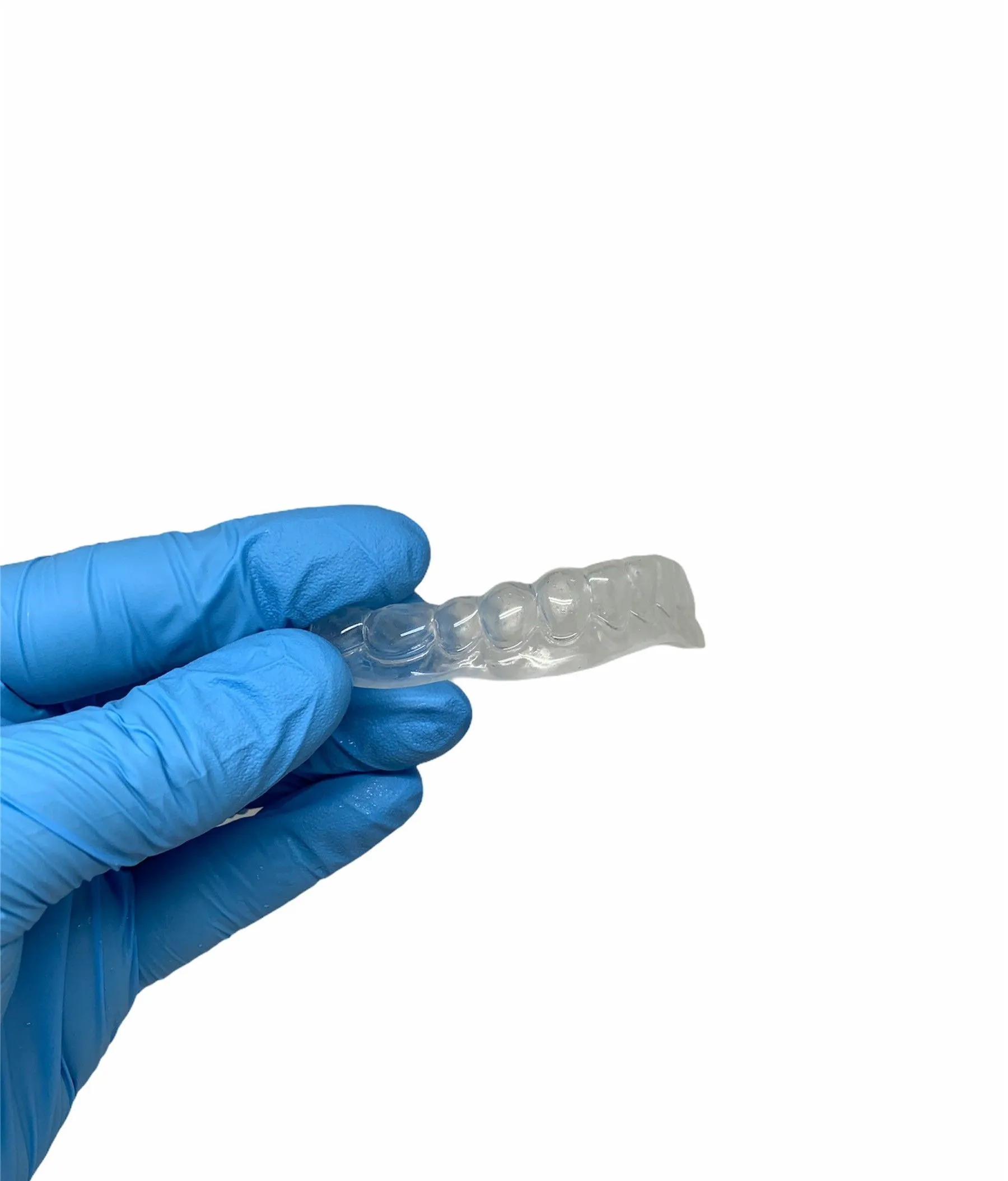
Soft nightguard
A flexible soft EVA guard for patients with mild bruxism — comfortable, easy to adapt to, and ideal for first-time wearers.
View details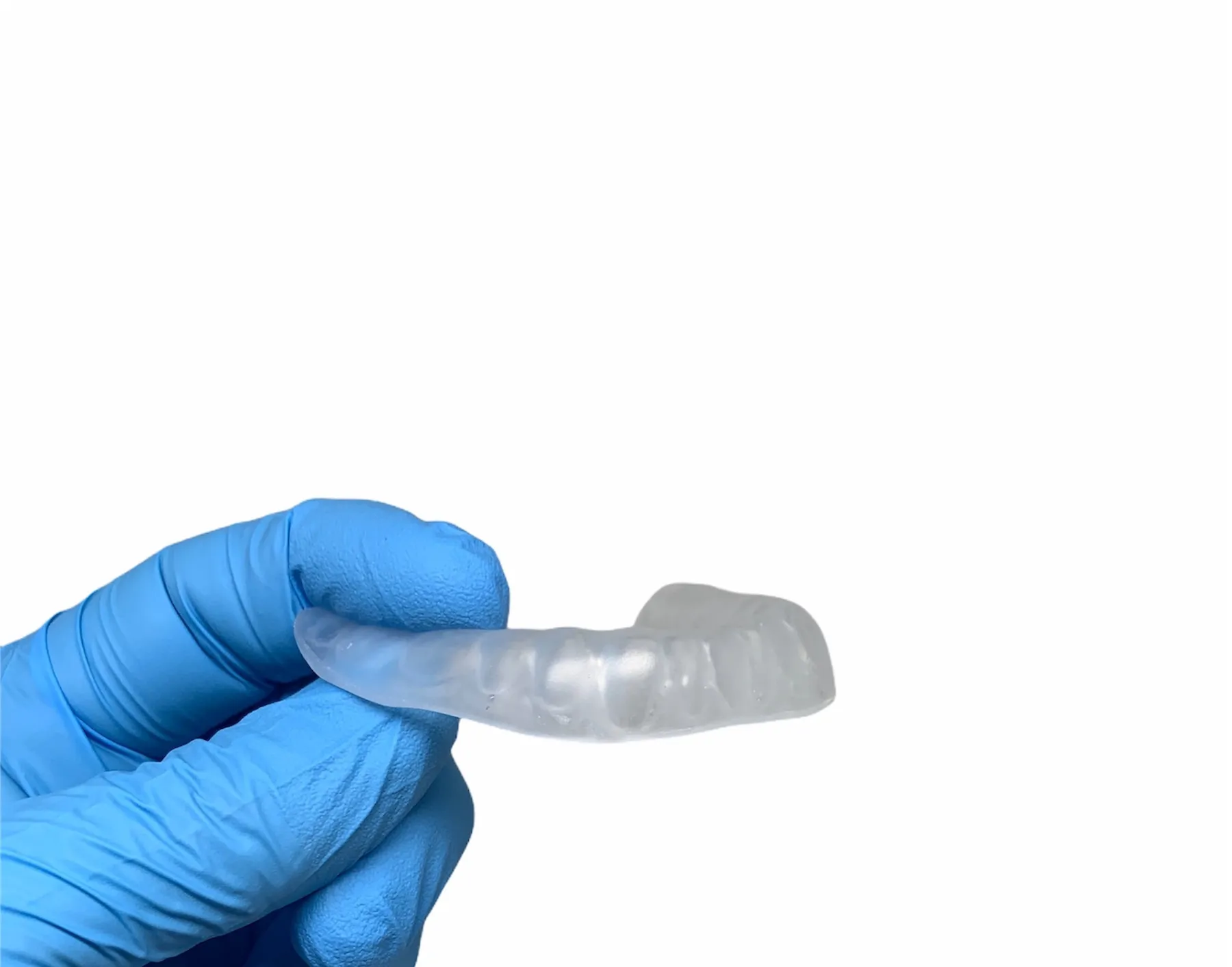
Standard softhard
A 2mm soft inner bonded to a 1mm hard outer for moderate to severe bruxism.
View details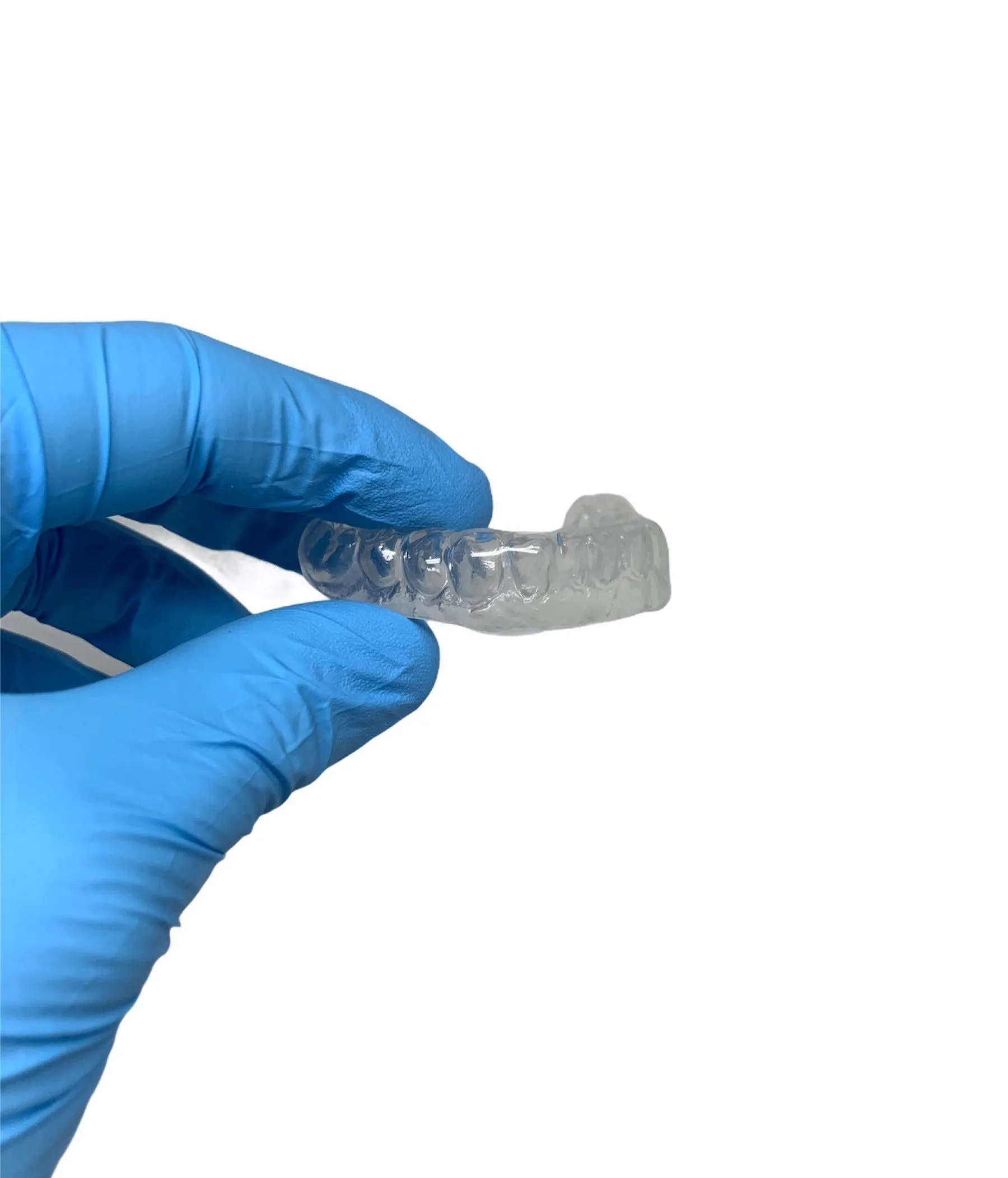
Extra thickness softhard
A harder-biased dual-laminate (1mm soft + 2mm hard) for severe grinders who need a more rigid bite surface.
View details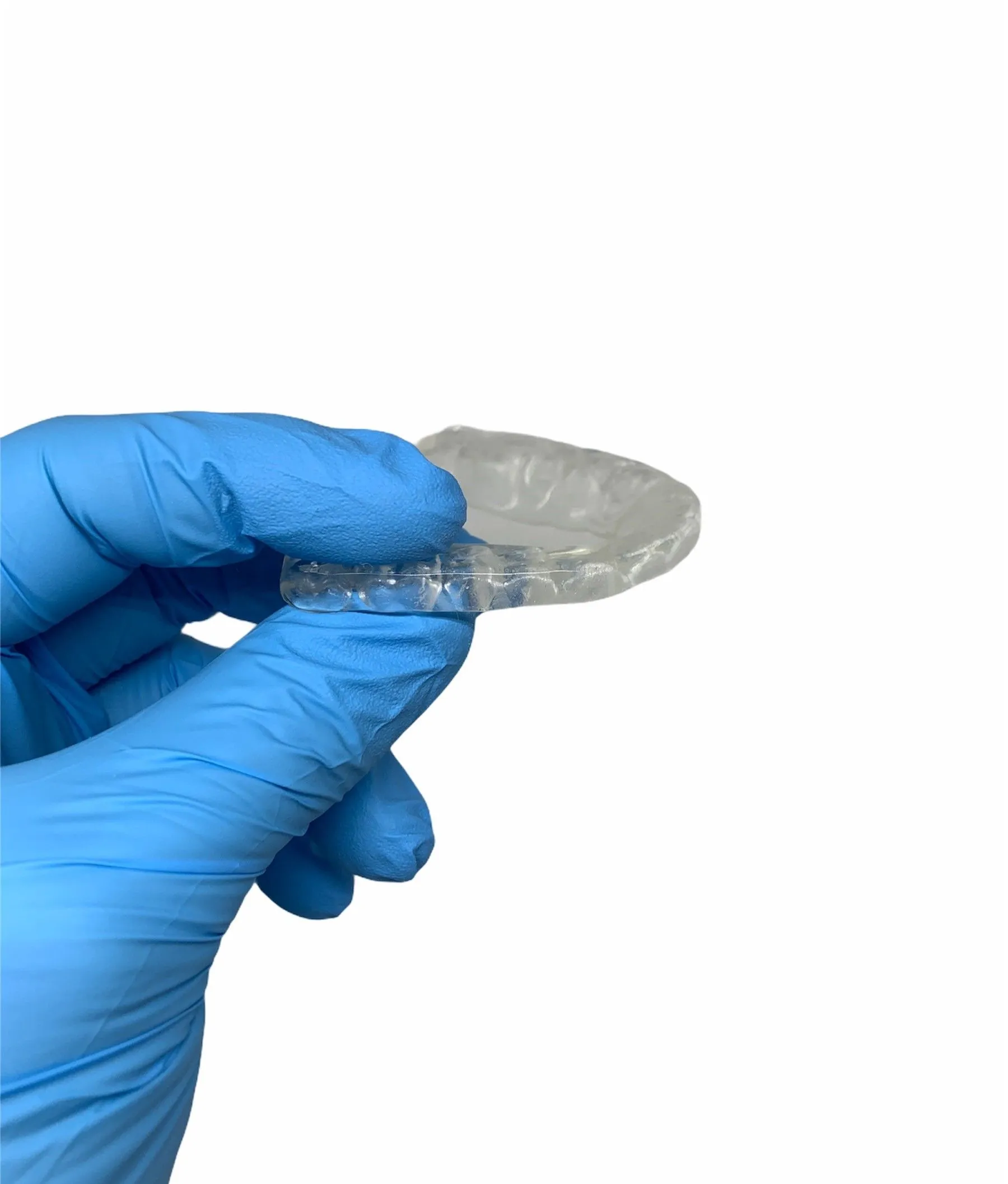
Hard nightguard
A solid hard acrylic splint for severe bruxism — maximum durability and a 6 month warranty.
View details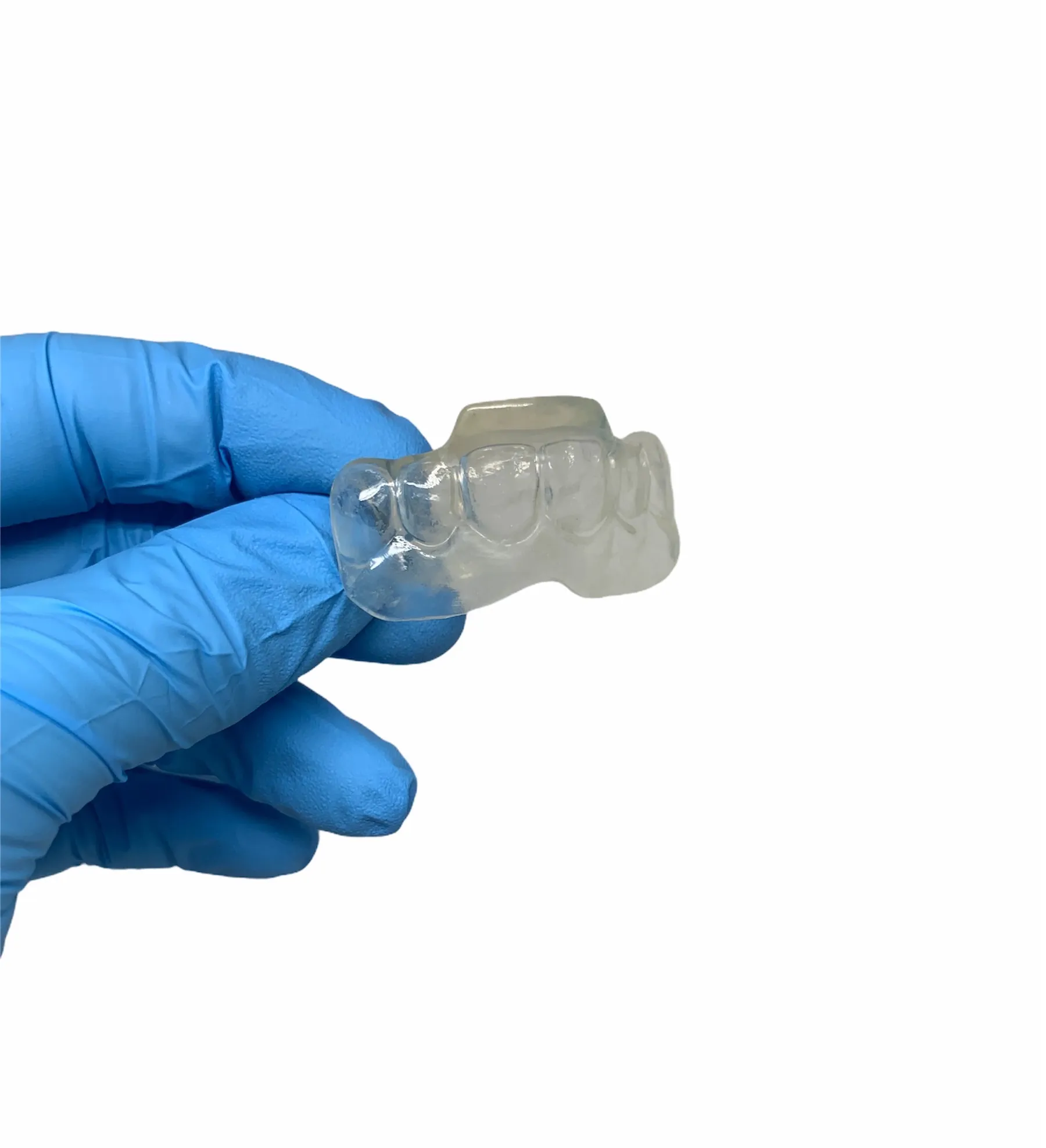
DAR-AL
A specialist mandibular repositioning splint with anterior lingual coverage. For advanced occlusal therapy by clinicians familiar with the technique.
View detailsSend us your first case
Open an account, request a price list, or just send a scan — we'll take it from there.