
Send a digital scan
From any major intraoral scanner (iTero, Medit, 3Shape) or email us STL/PLY/OBJ files.
How to connectBruxism is a condition where a person involuntarily grinds or clenches their teeth — during the day, at night, or both. Left untreated it can cause worn enamel, jaw pain, headaches and cracked restorations. Because it often happens during sleep, most patients don't realise they're doing it until the damage is visible.
Appliance options for every case severity
Standard turnaround, express available
Digital workflow with free 3D models
Accredited UK manufacturing standards
From soft guards for mild clenching to rigid splints for severe grinders — tap any appliance to see pricing, specs and ordering details.
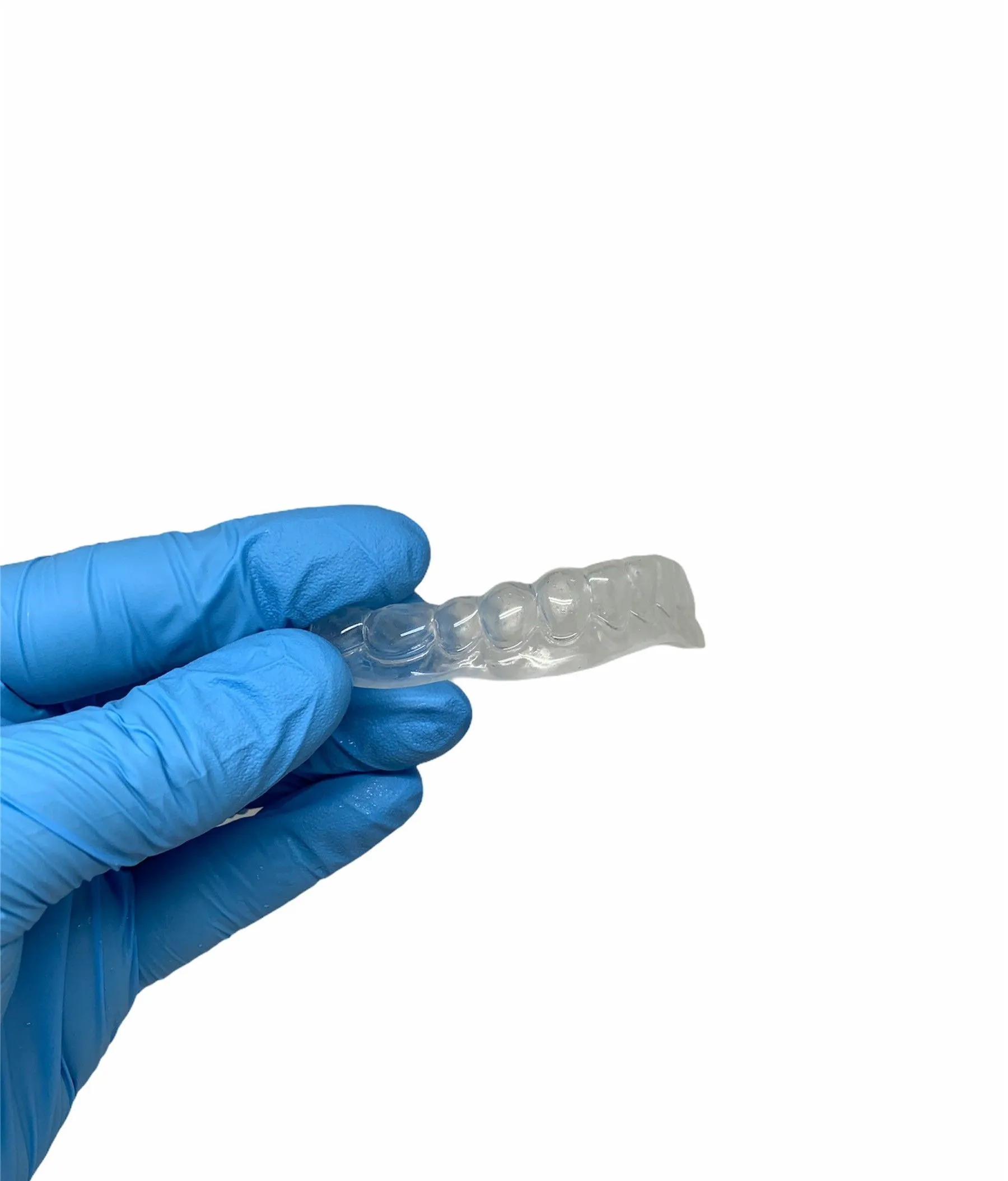
A flexible soft EVA guard for patients with mild bruxism — comfortable, easy to adapt to, and ideal for first-time wearers.
View details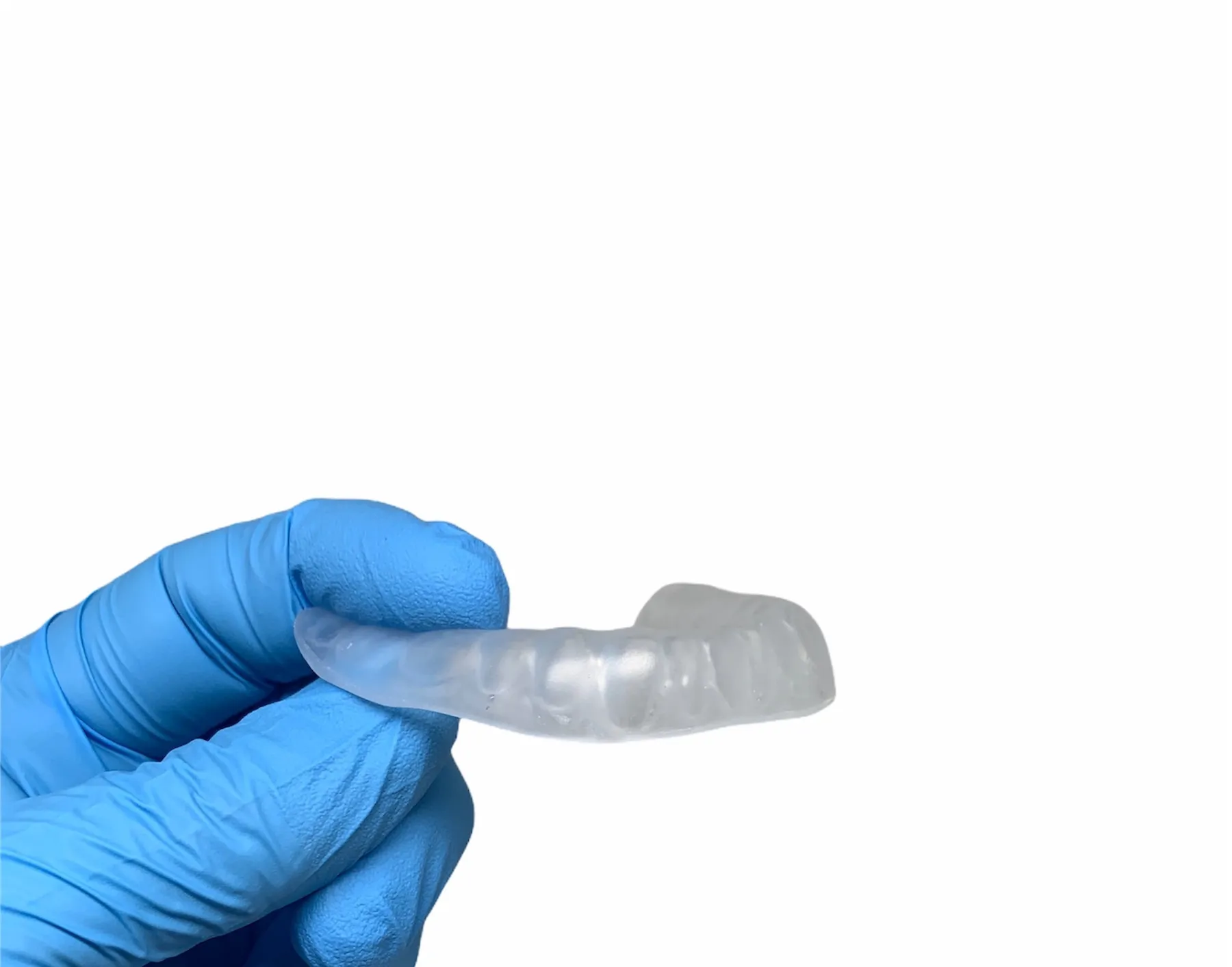
A 2mm soft inner bonded to a 1mm hard outer for moderate to severe bruxism.
View details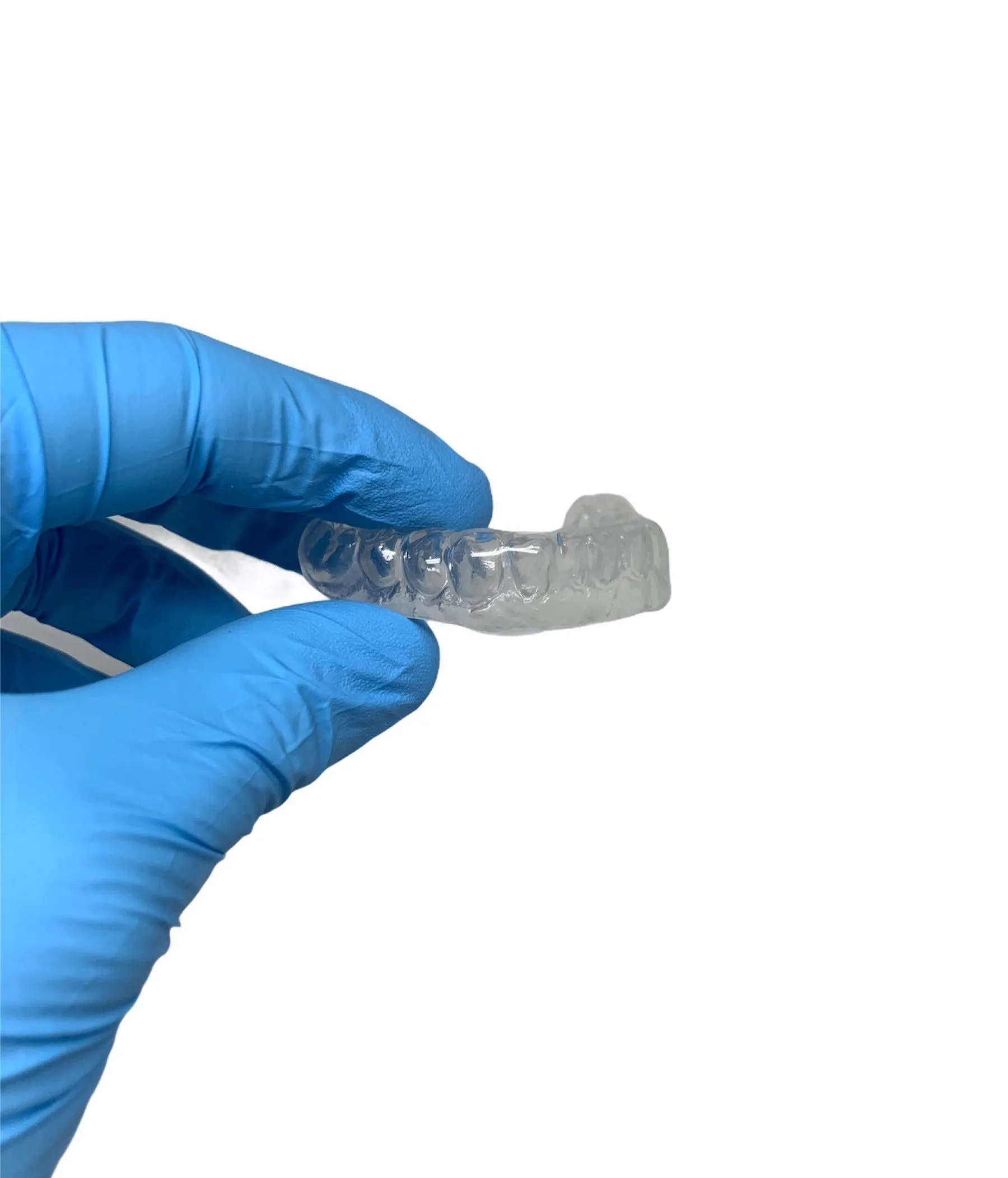
A harder-biased dual-laminate (1mm soft + 2mm hard) for severe grinders who need a more rigid bite surface.
View details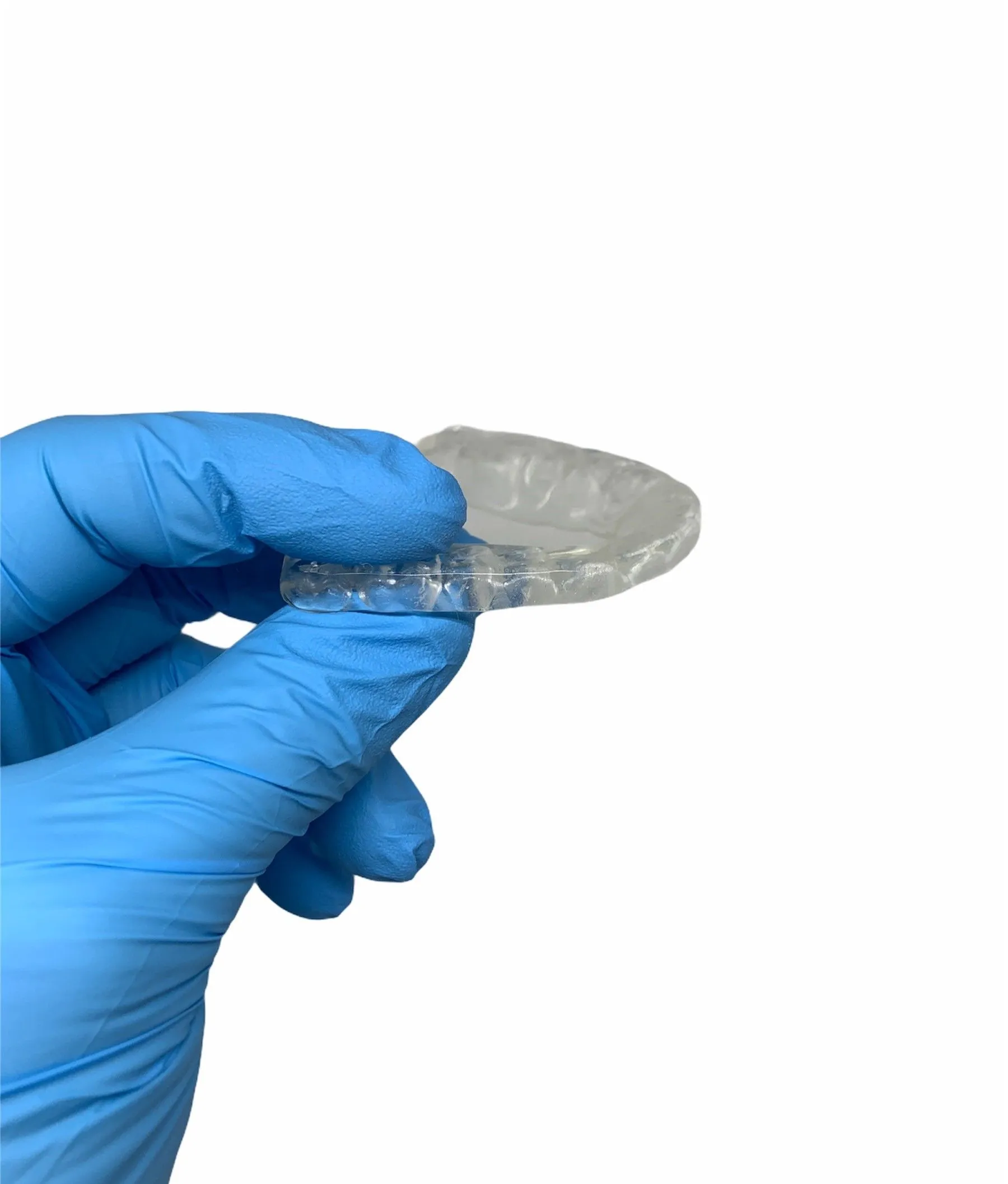
A solid hard acrylic splint for severe bruxism — maximum durability and a 6 month warranty.
View details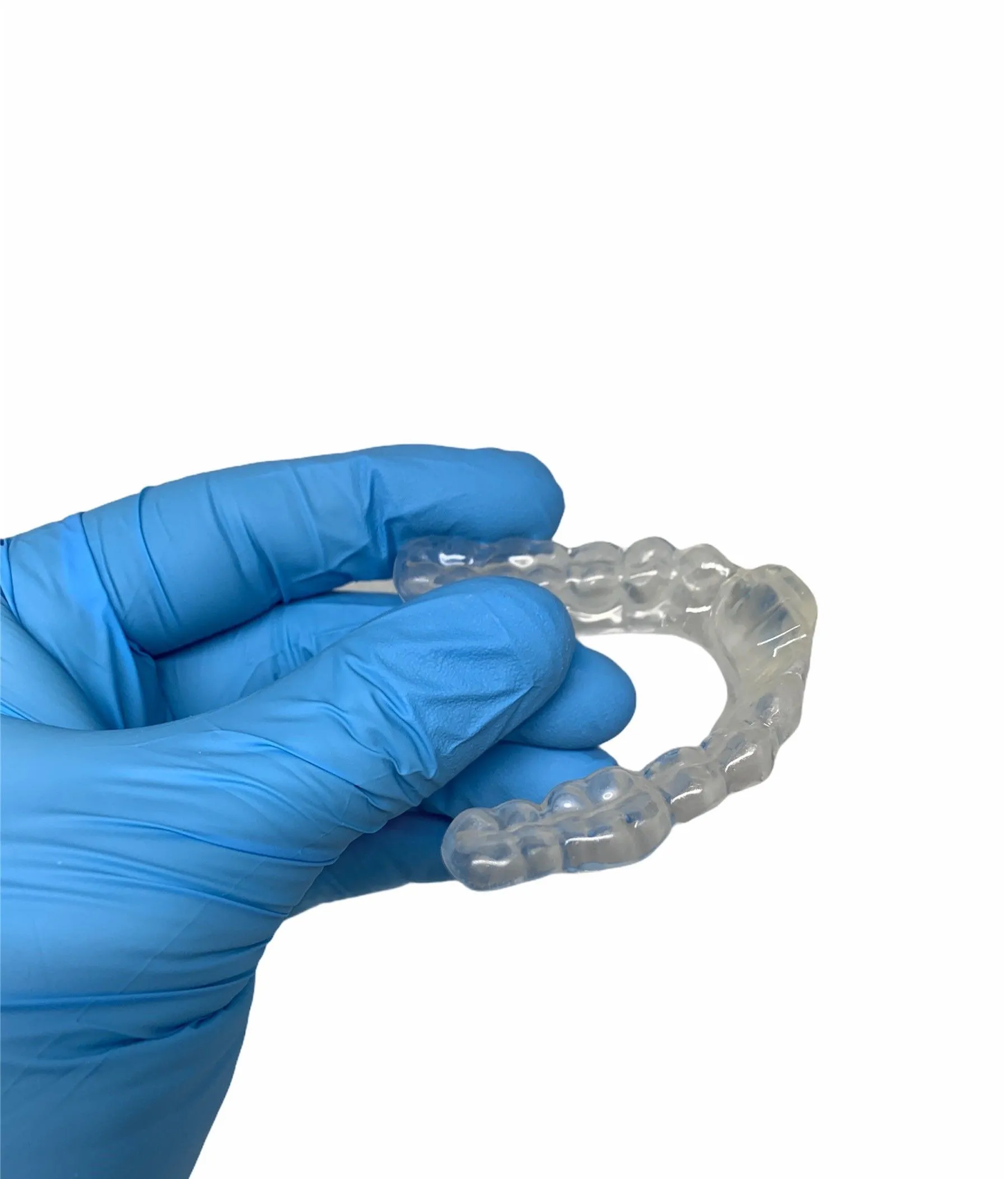
A specialist anterior bite plane in 1mm soft + 1mm hard dual-laminate. Disengages posteriors during clenching — often prescribed for TMJ.
View details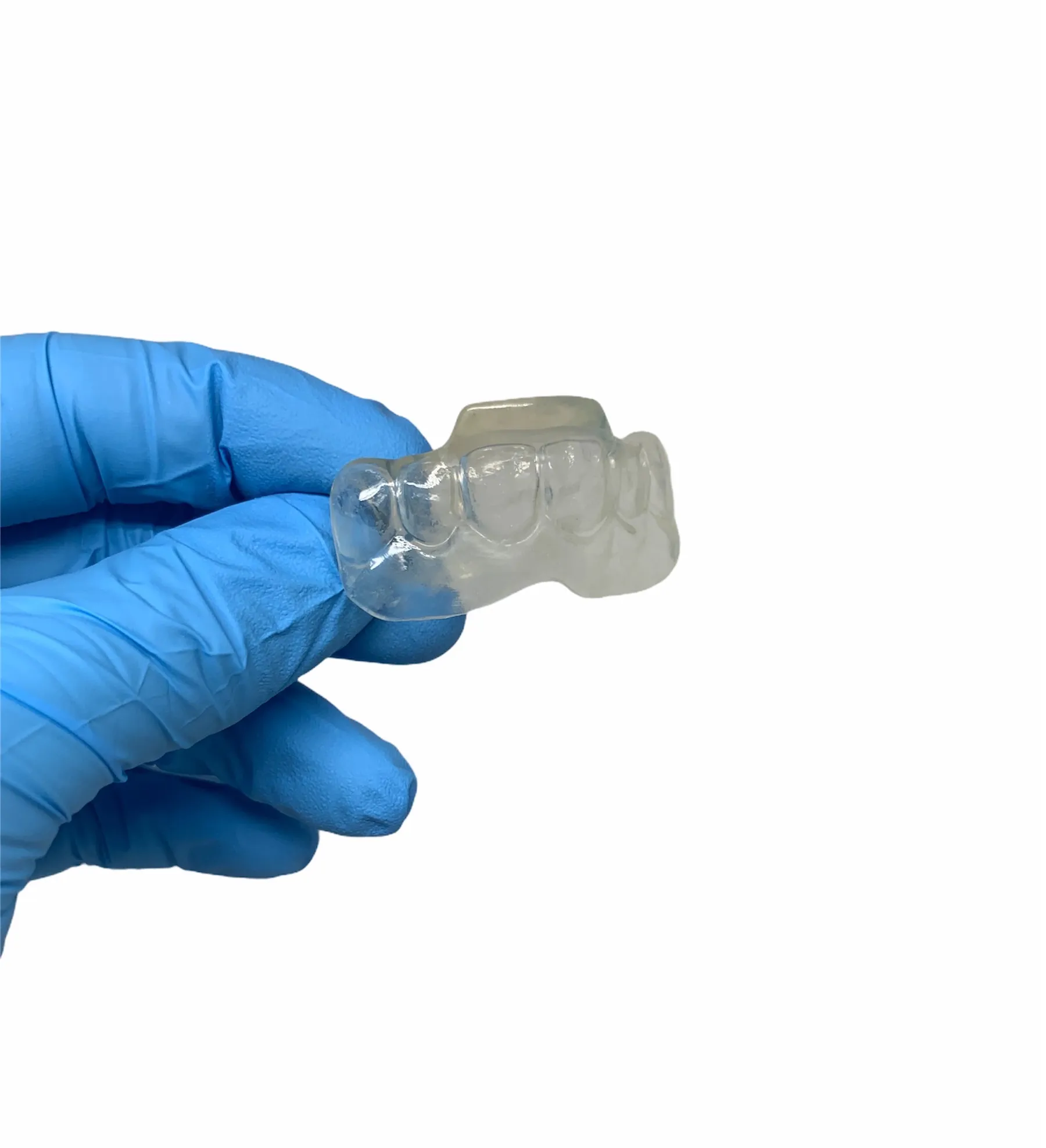
An anterior midpoint contact splint (muscle deprogrammer) — like our B-Splint, contact at the front disengages the posteriors during clenching. Often prescribed for TMJ.
View detailsWe also make bespoke appliances to your exact specifications. Get in touch with the team and we'll build something tailored to your case.
Get in touchWhat each appliance is for, how it's built, and how long it takes — so you can match the appliance to the case before you prescribe.
| Appliance | Best for | Build | Turnaround | Warranty |
|---|---|---|---|---|
| Soft nightguard | Mild or occasional clenching, and first-time wearers | Flexible soft EVA | 5 working days | 3 months |
| Soft-hard (standard) | Moderate to severe grinding — our most-ordered appliance | 2mm soft inner bonded to a 1mm hard outer | 5 working days | 3 months |
| Extra-thickness soft-hard | Severe grinders needing a rigid bite surface; takes occlusal balancing | 1mm soft inner, 2mm hard outer | See turnaround times | 3 months |
| Hard nightguard (Michigan / Tanner) | Severe bruxism, TMD, jaw pain and headaches | Solid hard acrylic, adjusted to even contact | 7 working days | 6 months |
| B-Splint | Muscular TMD and clenching — short-term deprogramming | Anterior midpoint contact splint | 7 working days | 3 months |
| DAR-AL | As the B-Splint — the same appliance under another name | Anterior midpoint contact splint | 7 working days | 3 months |
Turnaround is working days from receipt of the scan or impression, with Gold and Silver express available on any appliance. Warranty runs from delivery, subject to fair wear and tear — see warranty terms.
Answer a few quick questions and we'll suggest a bruxism appliance to discuss for your case — a guide for dental professionals, not a prescription.
Scan or impression — whichever your practice prefers.
From any major intraoral scanner (iTero, Medit, 3Shape) or email us STL/PLY/OBJ files.
How to connectAlginate or silicone in a rigid tray with a bite registration — or ask about free collection.
Arrange collection